Watching Birds of Prey Responsibly
Fieldcraft and ethics for photographing raptors. · October 2026
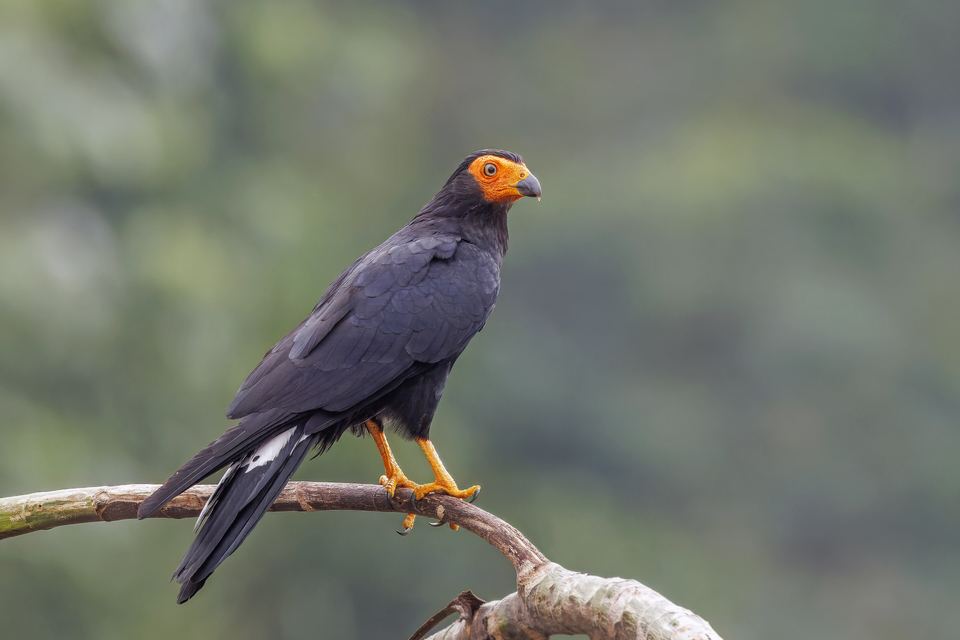

Raptors are among the most rewarding birds to photograph, and among the most sensitive to disturbance. The welfare of the bird always comes before the picture.
Keep your distance
A bird that stops feeding, stares at you or flies off has already been disturbed. Use a long lens, stay low, move slowly and let the bird become used to your presence rather than approaching it.
Never disturb nests
In many countries it is illegal to disturb nesting birds, and for good reason: adults may abandon eggs or young. Watch from a distance, do not linger, and do not share the exact locations of sensitive sites.
No baiting, no calls
Feeding birds or playing recorded calls changes their behaviour and can put them at risk. Patience and knowledge of where birds hunt and perch produce better and more honest photographs.
Camera settings
Birds in flight need fast shutter speeds - often 1/2000 s or faster - and continuous autofocus. Expose for the bird, not the bright sky behind it, and keep both eyes open to follow its movement.
Learning behaviour is the real skill: hunting perches, the time of day birds are active, and the signs that one is about to take off.
← All articles · Next: Reading the Light: Golden Hour and Blue Hour