Reading the Light: Golden Hour and Blue Hour
Why the hours around sunrise and sunset change everything, and how to plan for them. · October 2026
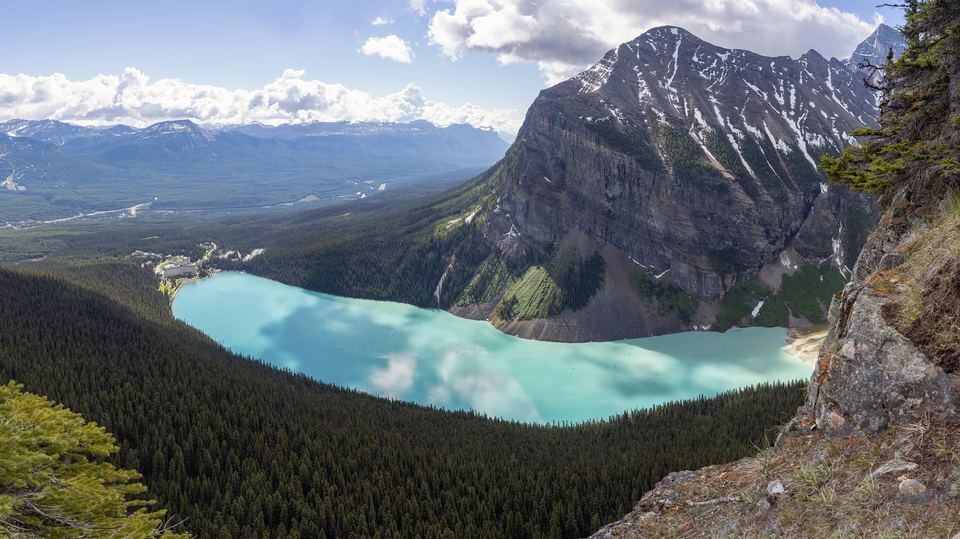

Most memorable landscape photographs are made when the sun is low. In the hour after sunrise and the hour before sunset, light travels through more of the atmosphere; it arrives warmer, softer and from the side, so it carves texture into rock, grass and water instead of flattening it.
Plan before you go
Sun-position apps and simple tide or weather forecasts are worth more than any new lens. Check where the sun will rise or set relative to your subject, and arrive early enough to walk the location without hurrying. The best light often lasts only minutes.
Blue hour
After the sun has set, the sky keeps glowing for twenty to forty minutes. Colours shift towards blue and the contrast between sky and land drops, which suits towns, harbours and water. A tripod and exposures of a few seconds are usually needed.
Exposure
Low sun means high contrast. Protect the highlights: use the histogram, and if the sky and foreground cannot be held in one frame, bracket two or three exposures and blend them later. Graduated filters remain a simple alternative when the horizon is straight.
White balance
Automatic white balance tends to neutralise the very warmth you came for. Shoot in raw and set the balance by eye afterwards, or fix it to a daylight setting in the field so that a sequence of frames stays consistent.
Above all, stay a little longer than seems necessary. Light at the end of the day often improves just after most people have packed up.