Composition in the Landscape
Foreground, layers, leading lines - and knowing what to leave out. · October 2026
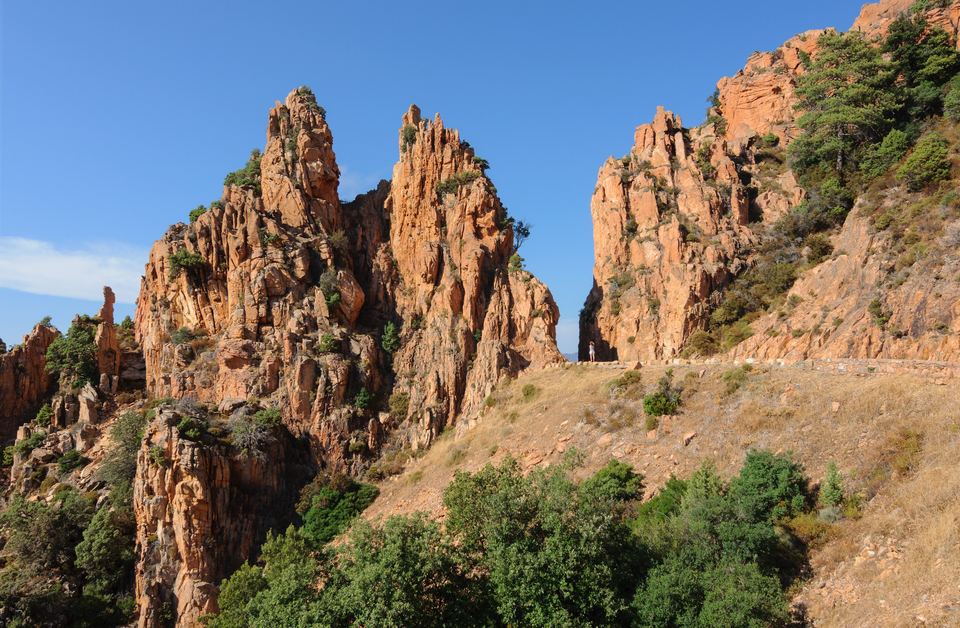

A wide view that feels overwhelming in person can look empty in a photograph. Composition is the work of giving the eye a path through the frame.
Give the foreground a job
Rocks, flowers, ripples or a path close to the lens anchor the picture and create depth. Get low, move a few steps left or right, and watch how the relationship between near and far objects changes.
Think in layers
Hills fading into haze, a lake in front of a ridge, a village under a mountain wall: layers separated by tone give a flat image a sense of distance. Longer lenses compress those layers; wide lenses separate them.
Lines and edges
Rivers, shorelines, roads and walls lead the eye. Check where they enter and leave the frame, and keep the edges clean - a half-cut branch in the corner pulls attention away from the subject.
The horizon
Placing the horizon on a third is a useful starting point, not a rule. If the sky is the story, give it more room; if it is blank, let the land fill the frame. Keep the horizon level unless there is a clear reason not to.
Simplify
Many strong landscapes contain only a few elements. Before pressing the shutter, ask what each part of the frame contributes, and remove whatever does not.