Moving Water: Waterfalls and Rivers
Shutter speed decides whether water looks like glass, silk or spray. · October 2026
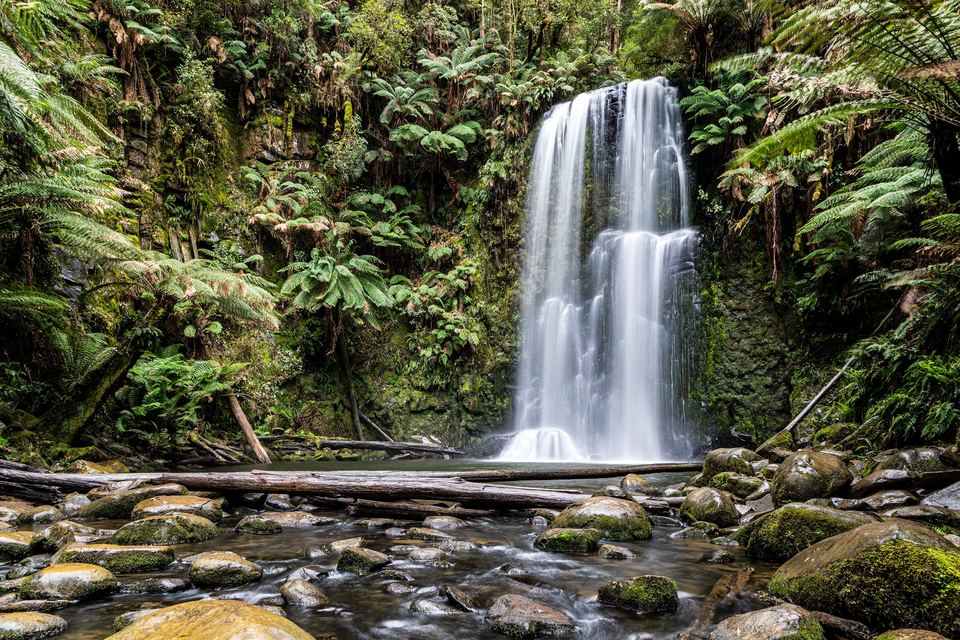

Few subjects change as much with a single setting as moving water. The shutter speed you choose is a creative decision, not a technical afterthought.
Freeze or flow
Fast speeds of around 1/500 s or quicker freeze droplets and show the power of a torrent. Speeds between 1/4 s and two seconds turn water into smooth ribbons while keeping some texture. Very long exposures can make it look like mist - attractive, but easily overdone.
Control the light
Waterfalls often sit in bright light, which makes slow shutter speeds impossible. A neutral density filter reduces the light without changing colour. A circular polariser cuts glare from wet rocks and leaves, and often deepens the greens of the surrounding vegetation.
Stability
Use a tripod and a remote release or the self-timer. On soft ground, push the legs down firmly; in a stream, check that the current is not shaking them.
Spray and safety
Keep a microfibre cloth to hand and check the front element between frames. Wet rocks near falls are extremely slippery: no photograph is worth a fall, and some of the best views are from the marked path.
Overcast days are often better than bright ones for waterfalls - the light is even, the highlights do not burn out, and long exposures come easily.
← All articles · Next: Coastlines and Tides