Coastlines and Tides
Working with the sea: timing, safety and the long exposure. · October 2026
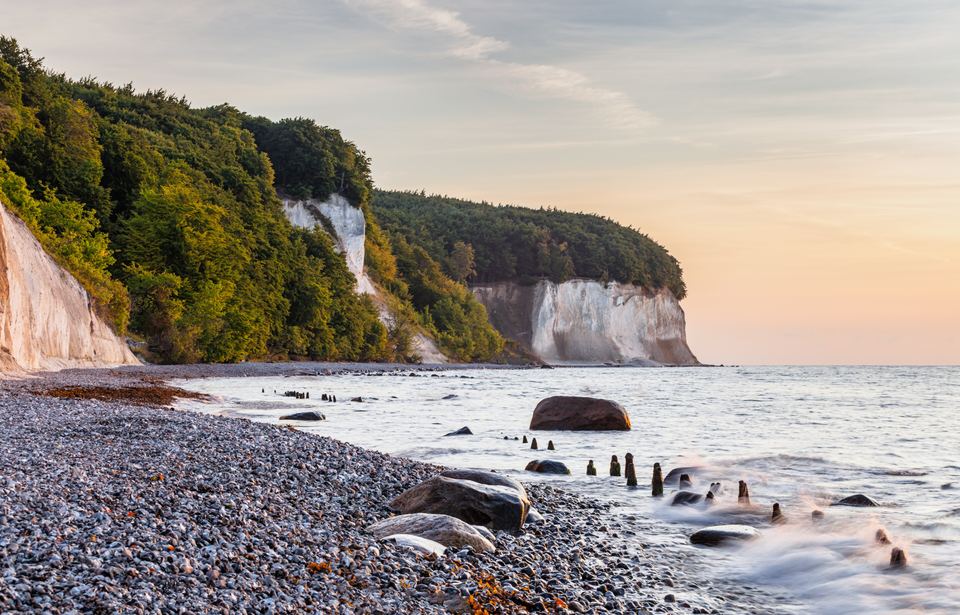

The coast never looks the same twice. Tide, swell and light change a scene within minutes, which makes it rewarding - and demands respect.
Read the tide tables
A beach that offers rock pools and reflections at low tide may disappear entirely at high tide. Check the tide times before setting out, know when the water will turn, and never let yourself be cut off on a headland or below a cliff.
Waves and shutter speed
Around half a second to one second, retreating waves draw lines across sand and rocks. Longer exposures smooth the surface; fast speeds capture the shape of a breaking wave. Time your shots with the sets of waves rather than firing continuously.
Orientation
Find out whether your coast faces sunrise or sunset. An east-facing shore may be best at dawn, when the rising sun lights the cliffs from the sea.
Salt and sand
Salt spray coats lenses quickly and sand finds its way into everything. Clean filters and the front element often, and wipe the camera and tripod with fresh water afterwards.
Lighthouses, harbour walls and coastal ruins give a sense of scale and a clear subject against the open water.